

Leave No Trace Rota Vicentina | Wag Bags & Trail Etiquette
If you care about Leave No Trace on the Rota Vicentina, the Fishermen’s Trail quickly shows you why it matters: every clean step along the cliffs is a privilege we must protect.
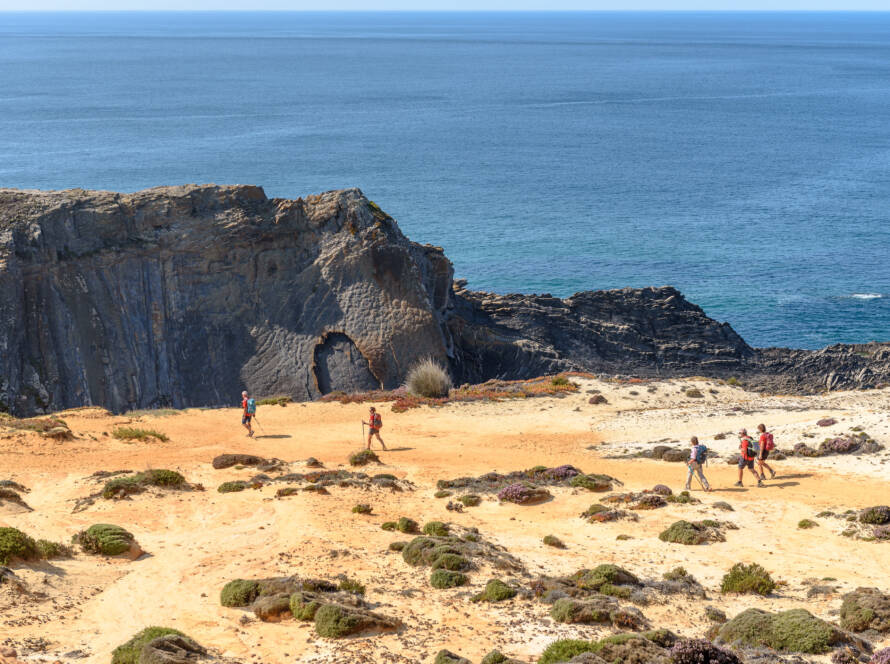
The first light of the day hits the cliffs of the Vicentina Coast, and the Fishermen’s Trail wakes up slowly. Waves crash against the rocks, seabirds draw lazy circles in the sky, and your footsteps are the only sound on the sandy path. It feels wild, untouched, almost secret – exactly the kind of place that makes you grateful you chose to hike the Rota Vicentina today.
Why Your Toilet Paper Doesn’t Belong on the Trail
Then it happens. You leave a bend in the trail and suddenly the magic breaks: white tissues tangled in the bushes, toilet paper peeking out from behind a rock, a little “field bathroom” spot that far too many hikers have discovered before you. It’s not just unpleasant – it’s a clear sign that this fragile landscape is struggling under the weight of our presence.
A Growing Problem on the Fishermen’s Trail
The Rota Vicentina has become one of Europe’s most iconic coastal hikes, with thousands of hikers every year drawn by its wild cliffs and remote beaches. But with that popularity comes a less glamorous reality: litter has increased dramatically along the Fishermen’s Trail, especially toilet paper, tissues, and wet wipes left just a few steps off the path. Local associations and volunteers now report that used paper makes up a large share of the trash they collect in certain sections of the trail.
Many walkers think, “It’s just paper, it will disappear.” The problem is that toilet paper and wipes take much longer to break down than most people expect, especially in dry, windy coastal environments. Animals can dig it up, wind can spread it, and rain can carry contaminants into the soil and water – all in an area that is supposed to stay wild and protected.
What “Leave No Trace” Really Means Here
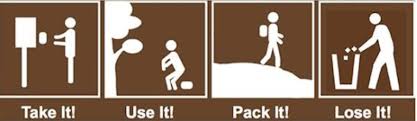
“Leave No Trace” is more than a nice slogan; it is a set of simple principles designed to protect natural places while still allowing people to enjoy them. One of those core principles is to dispose of waste properly – including human waste and toilet paper. That means going to the bathroom away from the trail and water sources, and always packing out used paper and hygiene products in a sealed bag, instead of burying or leaving them behind.
On popular routes like the Rota Vicentina, traditional methods such as shallow catholes quickly stop being sustainable when hundreds of people pass by every week. The more concentrated the use, the more important it becomes to remove waste entirely from the environment. On some famous trails around the world, land managers already require hikers to pack out their waste for exactly this reason.
Meet the Wag Bag: A Tiny Hero in Your Backpack
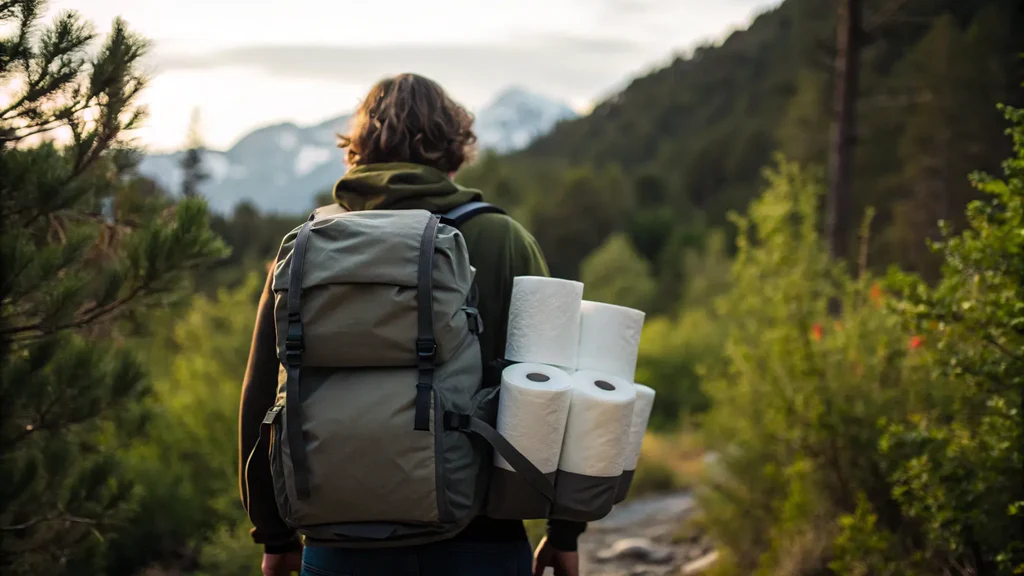
This is where wag bags (also called poo bags or human waste bags) come in. A wag bag is a lightweight, sealable bag system designed specifically to carry human waste out of areas without toilets. Inside, a special gelling material solidifies and neutralizes the contents, reducing smell and making it safe to throw away later in a normal rubbish bin. In simple terms: it turns an uncomfortable problem into a clean, practical solution.“Hiking with a wag bag is one of the easiest ways to leave no trace on the Rota Vicentina.”
Wag bags are already standard in many sensitive mountain and desert environments, where burying waste is not an option. They are small, easy to pack and use, and they allow you to answer nature’s call without leaving anything behind on the land. For busy coastal trails like the Fishermen’s Trail, adopting wag bags is one of the most effective ways to keep the path clean for everyone who comes after you.
How to Handle “That Moment” on the Trail
At some point on your hike, you may need to step off the path for a bathroom break – it happens to everyone. The difference lies in how you handle that moment.
- Walk at least 70 meters away from the trail and any water sources before you stop.
- Use a wag bag for solid waste whenever possible, following the simple instructions included with the kit.
- Always pack out used toilet paper, wipes, and sanitary products in a sealed bag, even if you bury the rest.
- Before returning to the path, take a quick look around and remove any “micro-trash” such as tissues, wrappers, or loose paper.
It may feel strange the first time you use a wag bag, but most hikers quickly realise how freeing it is to know they can go responsibly, even in places with no toilets. Instead of worrying about leaving a mess, you pack everything up and drop it in the next bin.
“More hikers are choosing wag bags to respect Leave No Trace on the Rota Vicentina.”
Becoming a Trail Hero on the Rota Vicentina
Every hiker on the Rota Vicentina helps write the story of this landscape. Some leave behind tissues, plastic, and cigarette butts. Others leave only footprints and good memories – and sometimes even carry out a bit of litter that was not theirs. The difference between those two groups is just a few small choices, repeated day after day.
Next time you shoulder your backpack on the Fishermen’s Trail, think of yourself as a guardian of this coastline. Pack a wag bag, carry a small trash bag, and be ready to act when nature calls. Your actions might seem small, but they help keep this route wild, clean, and unforgettable for everyone who dreams of walking the Rota Vicentina after you.
“Before you hike, check our Rota Vicentina Hiking Programs (click to explore) .”